
1948
Type
X-Graph

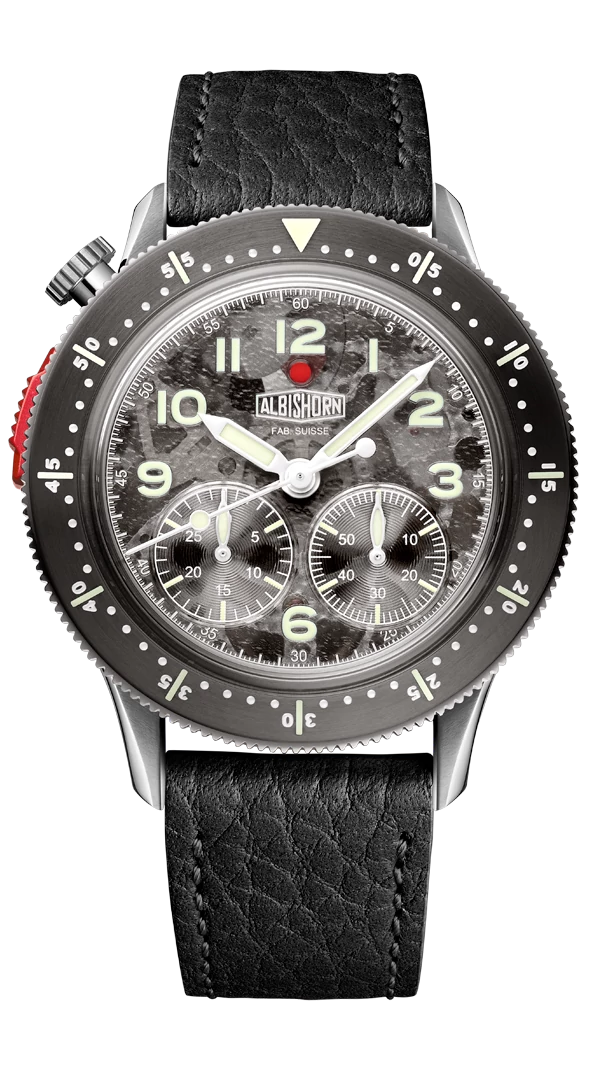
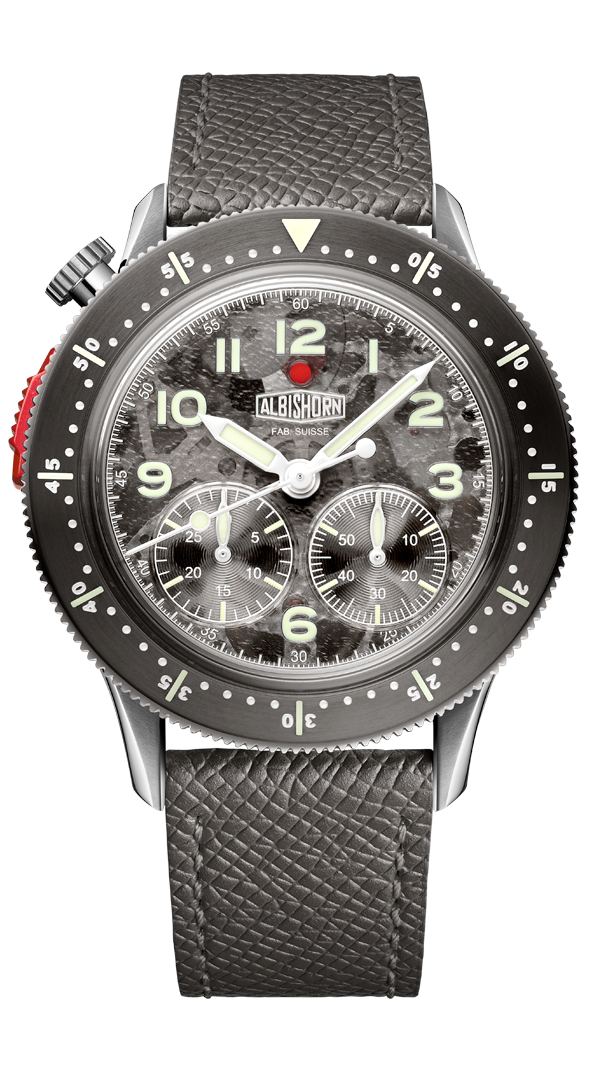
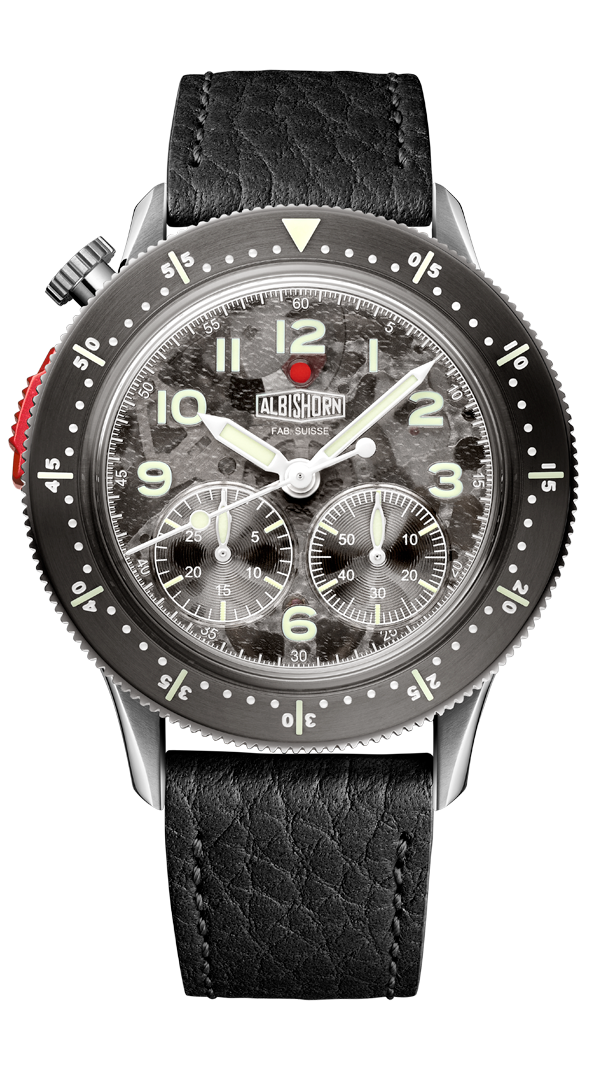
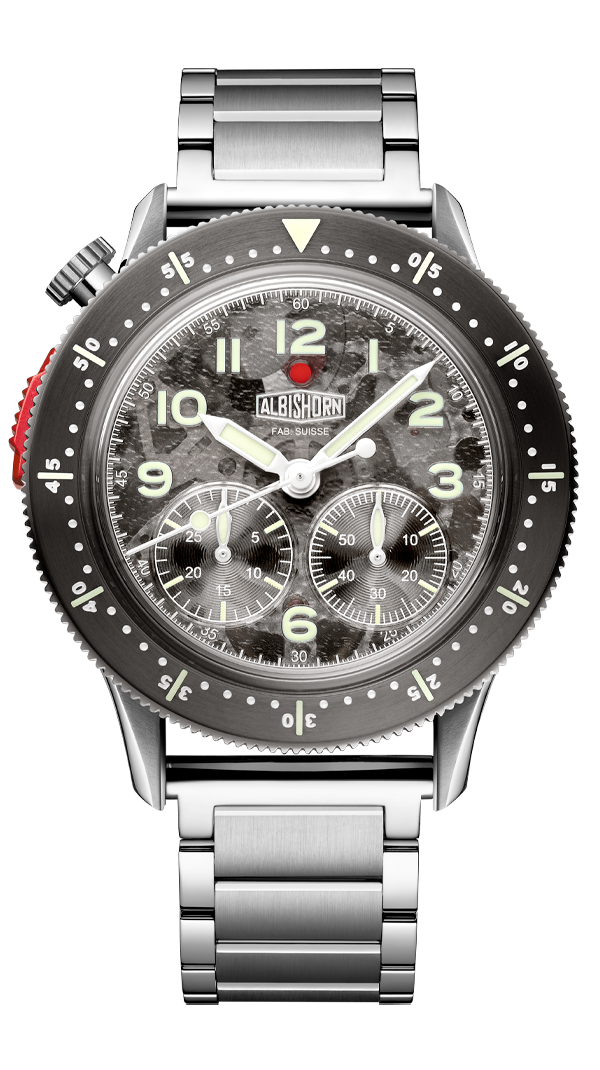
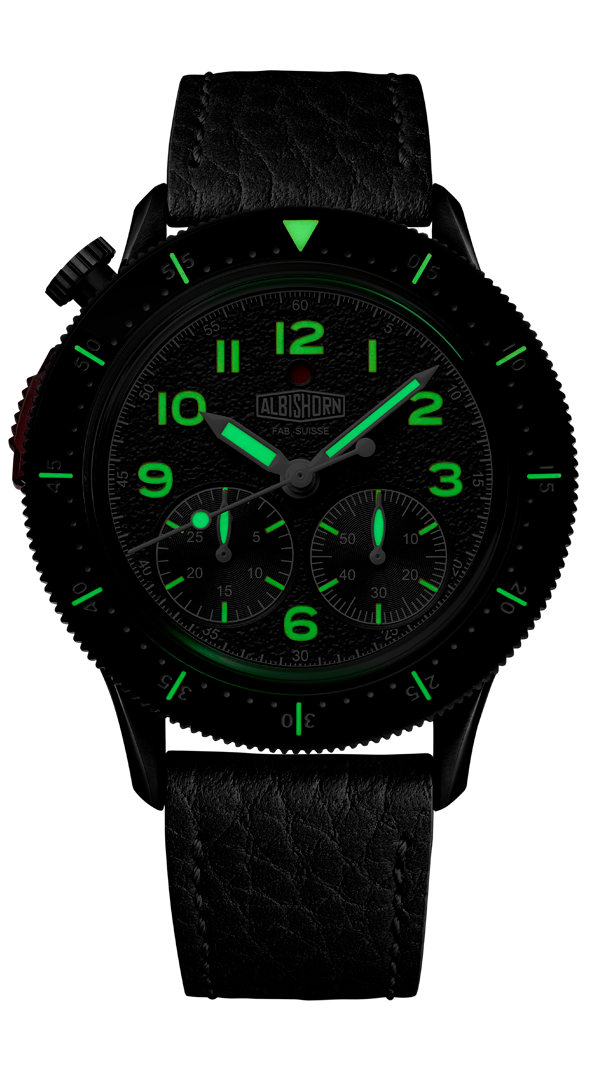
CHF 4250.00
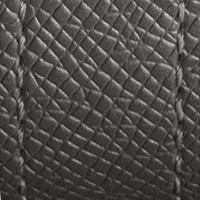
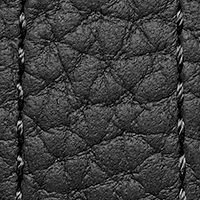
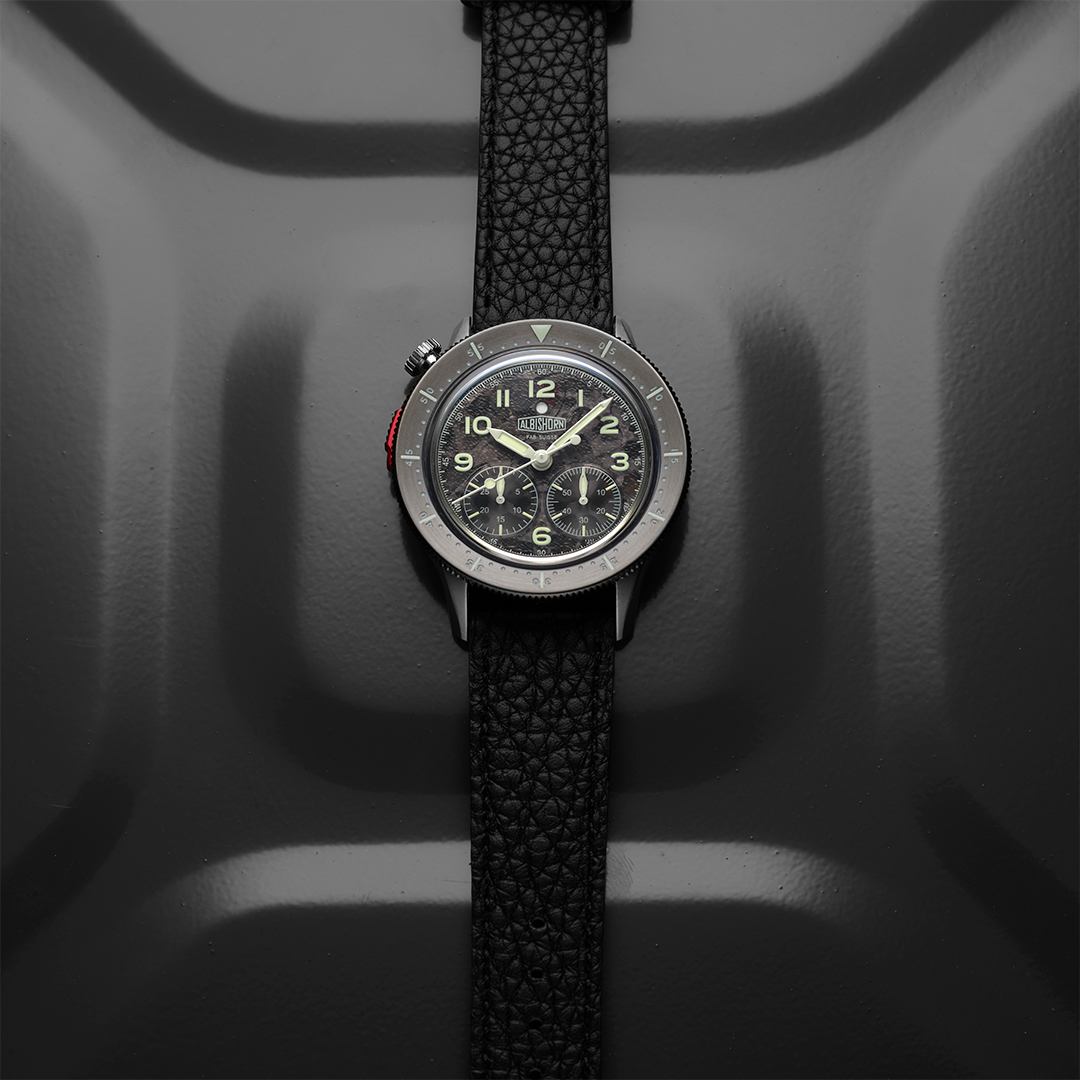
iDelivered with two straps: one in black calf leather and one in taupe calf leather
Limited to 99 pieces
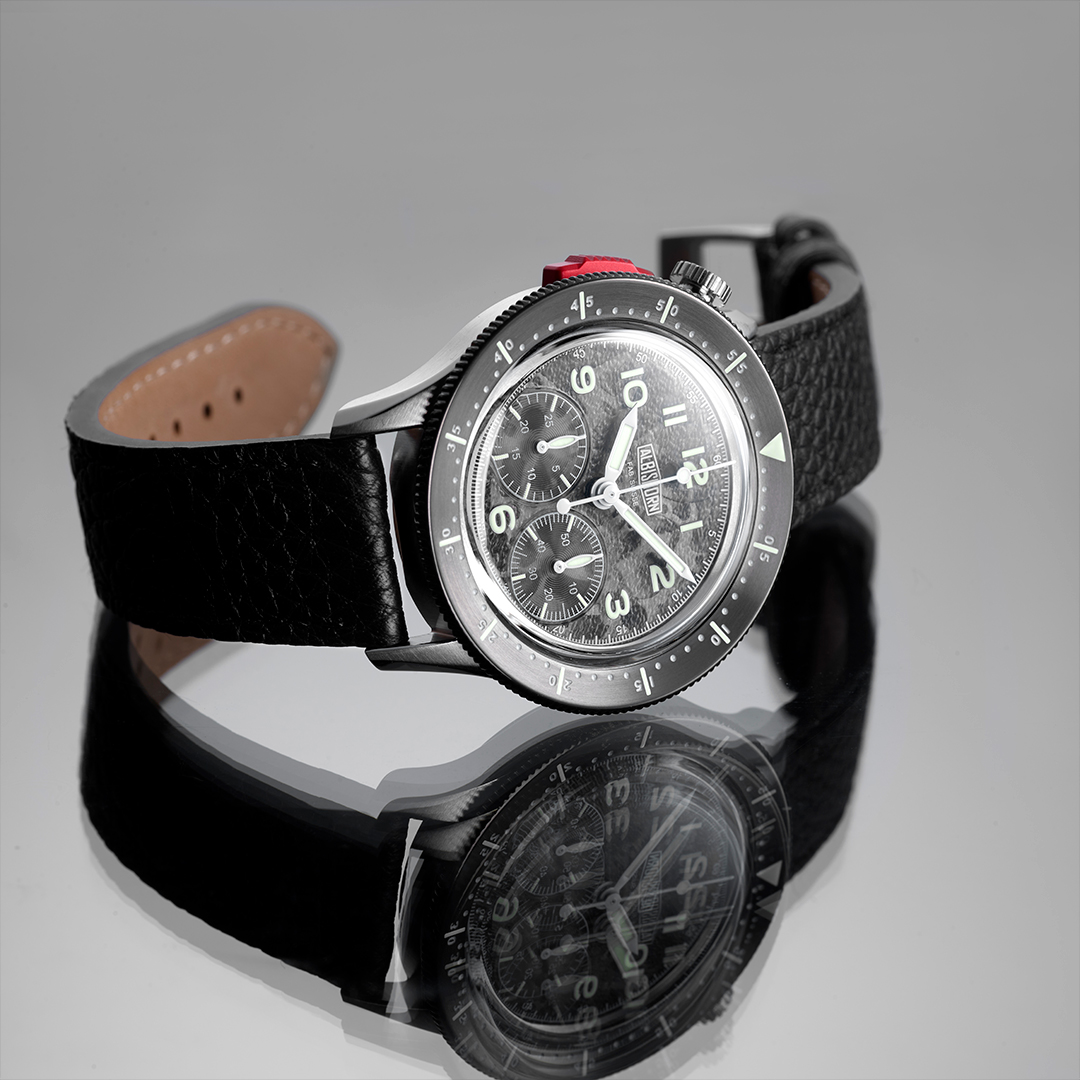
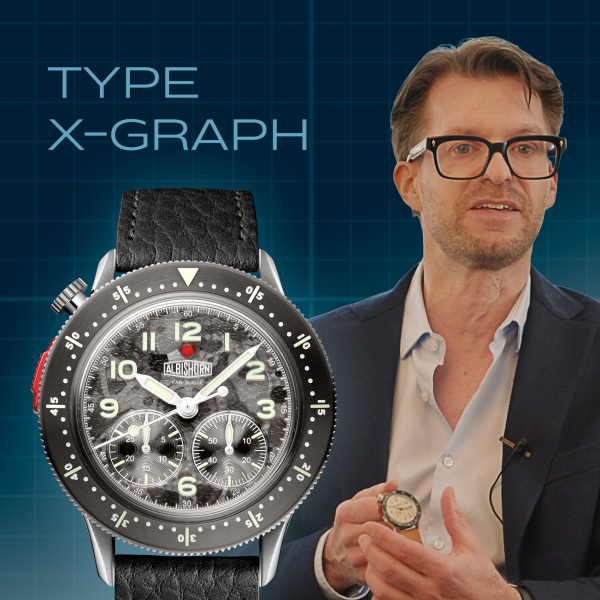
The Type X-Graph* is a monopusher military chronograph, officially certified as a chronometer by the COSC, featuring a unique and innovative design and a patented movement. It is the prototype of the Type 10, the hypothetical ancestor of the French Army’s Type 20, and could have been commissioned by the French Army in 1948 as its first official chronograph.
*A special thanks to SJX, who originally suggested the name X-Graph during an early discussion about the project.
Imaginary History
Pilot chronograph wristwatches from the past hold a fascinating place in horological history. Born out of necessity during the early 20th century, these timepieces were developed specifically for aviators, who required accurate and reliable instruments to navigate the skies. These watches were not only tools but also symbols of the adventurous spirit and technological progress of the time.
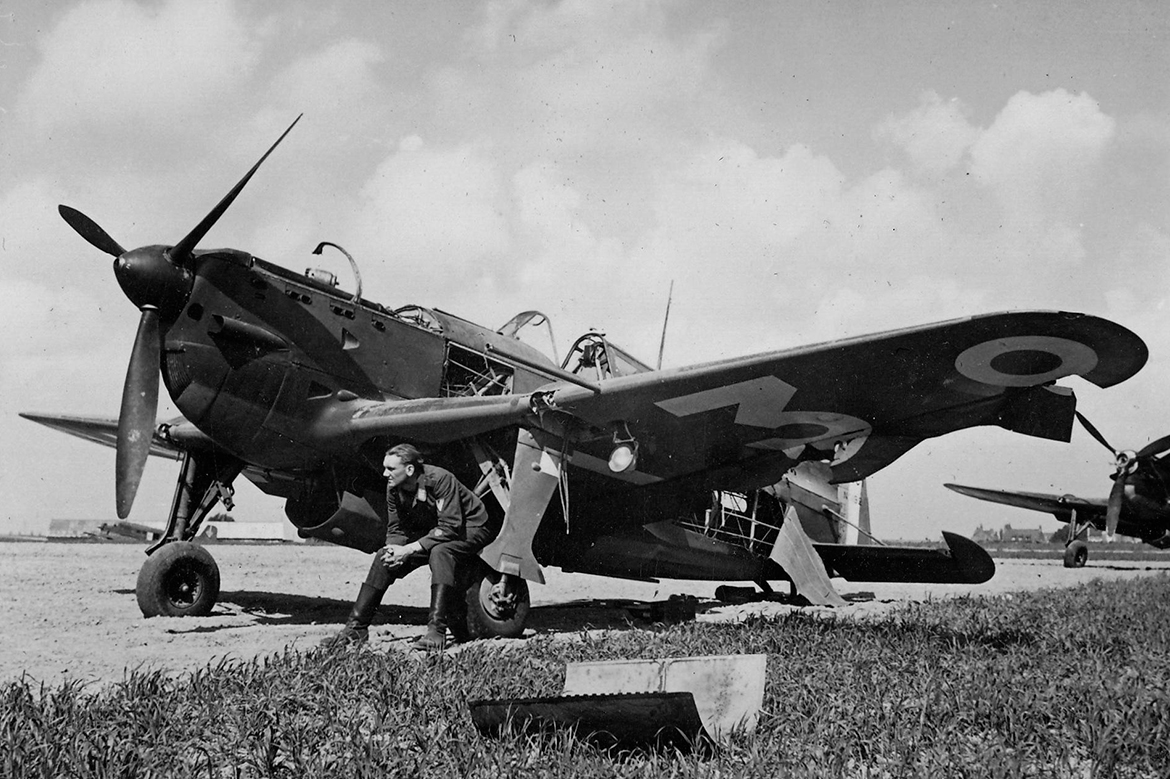
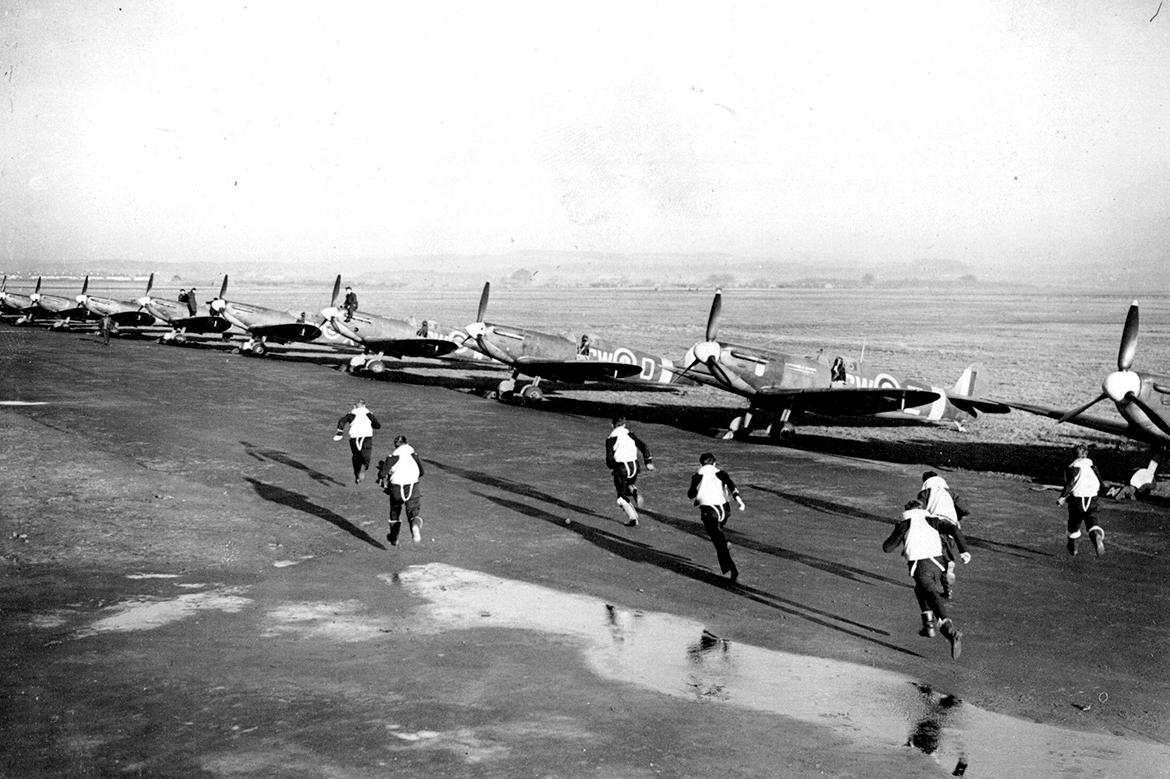
The origins of pilot chronographs can be traced back to World War I, when aviation was rapidly evolving and pilots needed precise timekeeping devices to calculate flight durations, synchronize maneuvers, and plan navigation.
Many iconic models emerged in the 1950s, which all became enduring symbols of aviation timekeeping.
From all these chronographs, the Type 20 is certainly the epitome of pilot chronographs. The Type 20 was manufactured for the French Army by various watchmakers such as Breguet, Vixa, Auricoste, and Dodane. It was designed as a tool watch for pilots, featuring a flyback function, a rotating bezel, and anti-magnetic properties. It gained popularity due to its robustness, functionality, and elegant design.
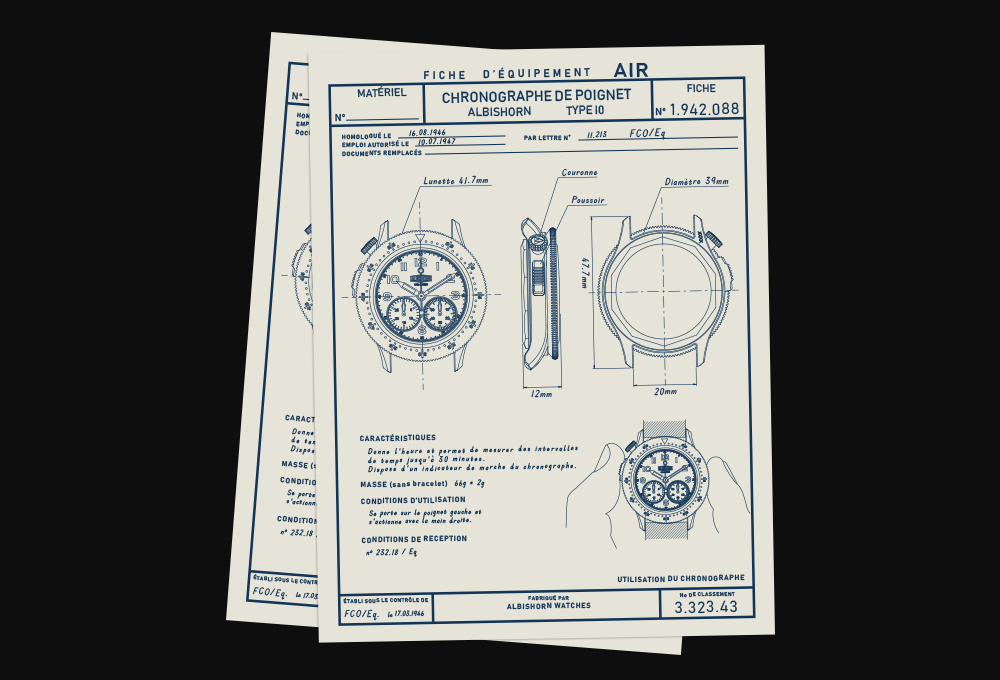
Unfortunately, the Type 20 does not have a direct predecessor. However, let's imagine how an earlier model, the Type 10, an elusive ancestor of the Type 20, which could have been commissioned by the French Army in 1948 as its first official chronograph.
The Type X-Graph is, in essence, the demonstration prototype of the Type 10.
Technical
specifications
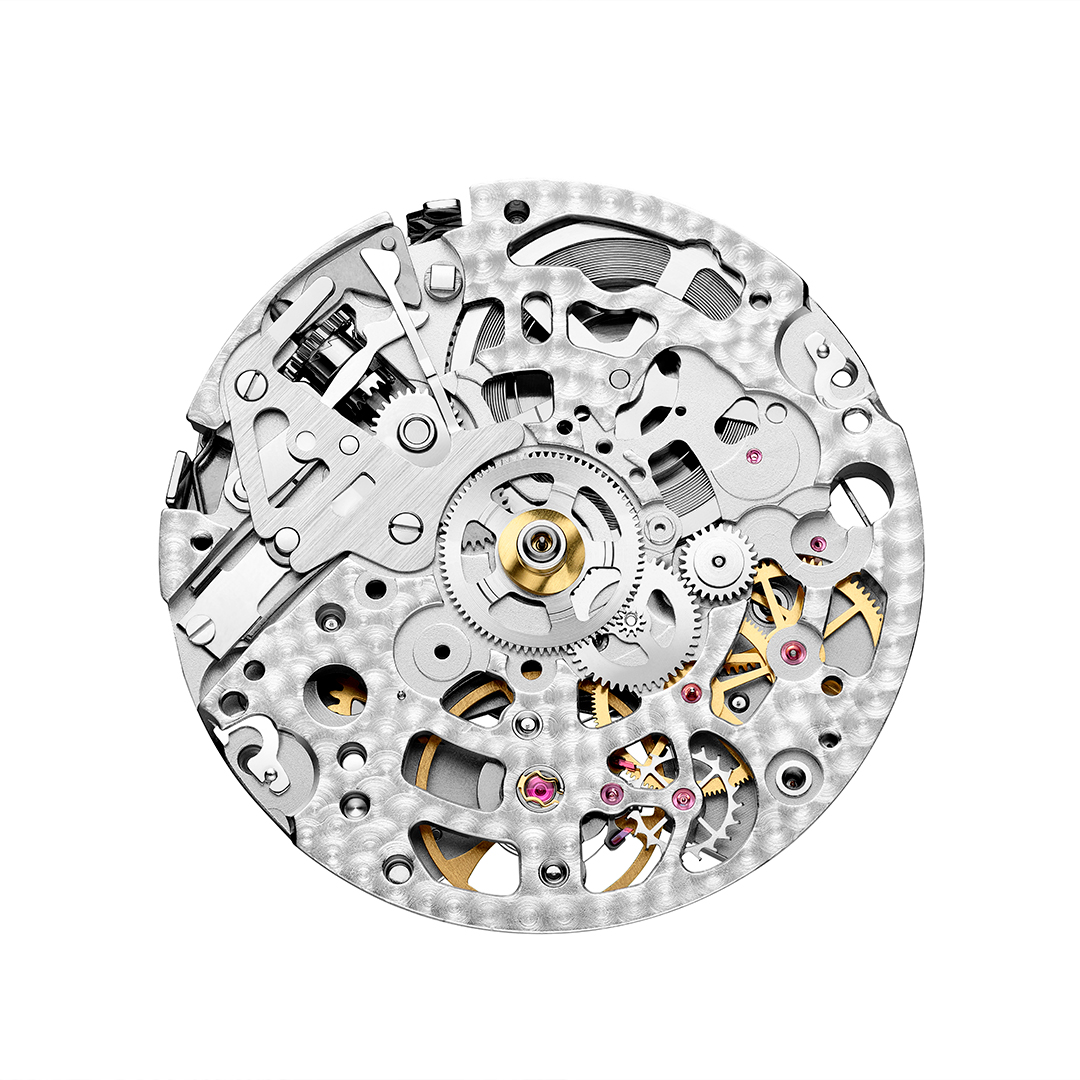
COSC certified chronometer (Contrôle Official Suisse des Chronomètres)
Skeletonized dial side
Manual winding
Monopusher
Height: 5,70 mm
Diameter: 30,00 mm
Hours, minutes and running seconds at 4:30 o’clock
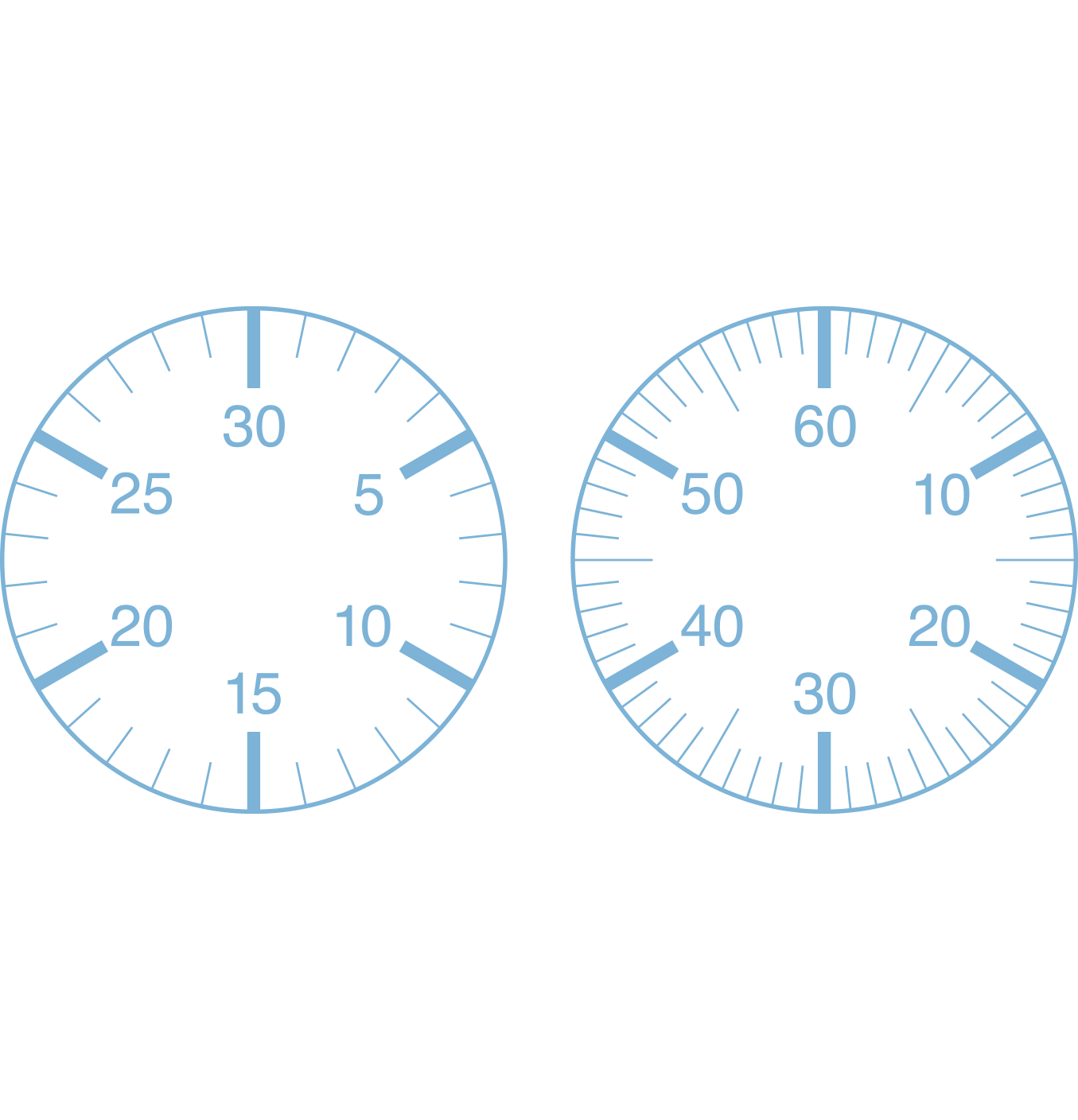
60 seconds counter in the center
30-minute counter at 7:30 o’clock
Patented chronograph function indicator at 12 o’clock
Stop second device
28'800 vibrations per hour (4 Hz)
21 jewels
Typical power reserve: 65 hours
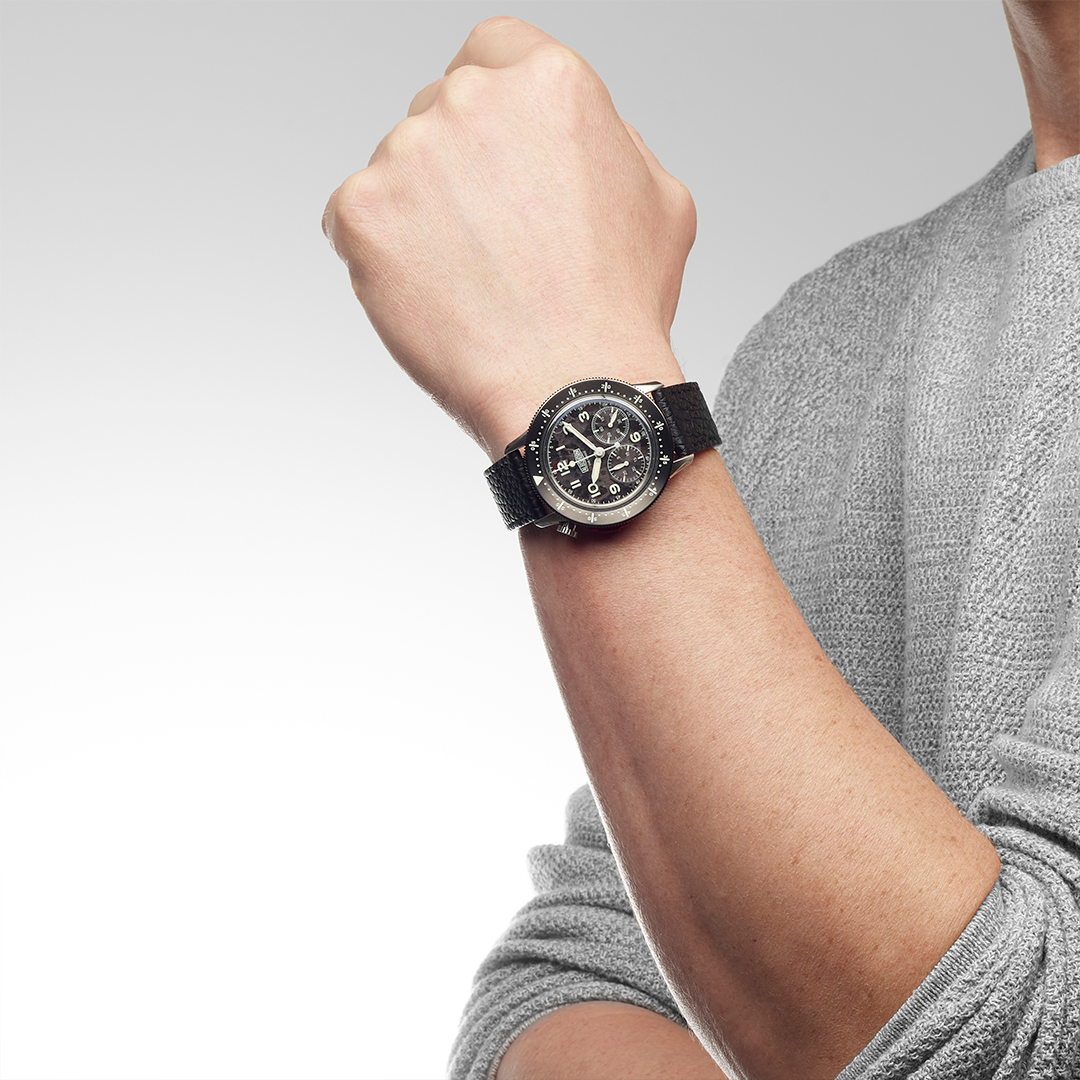
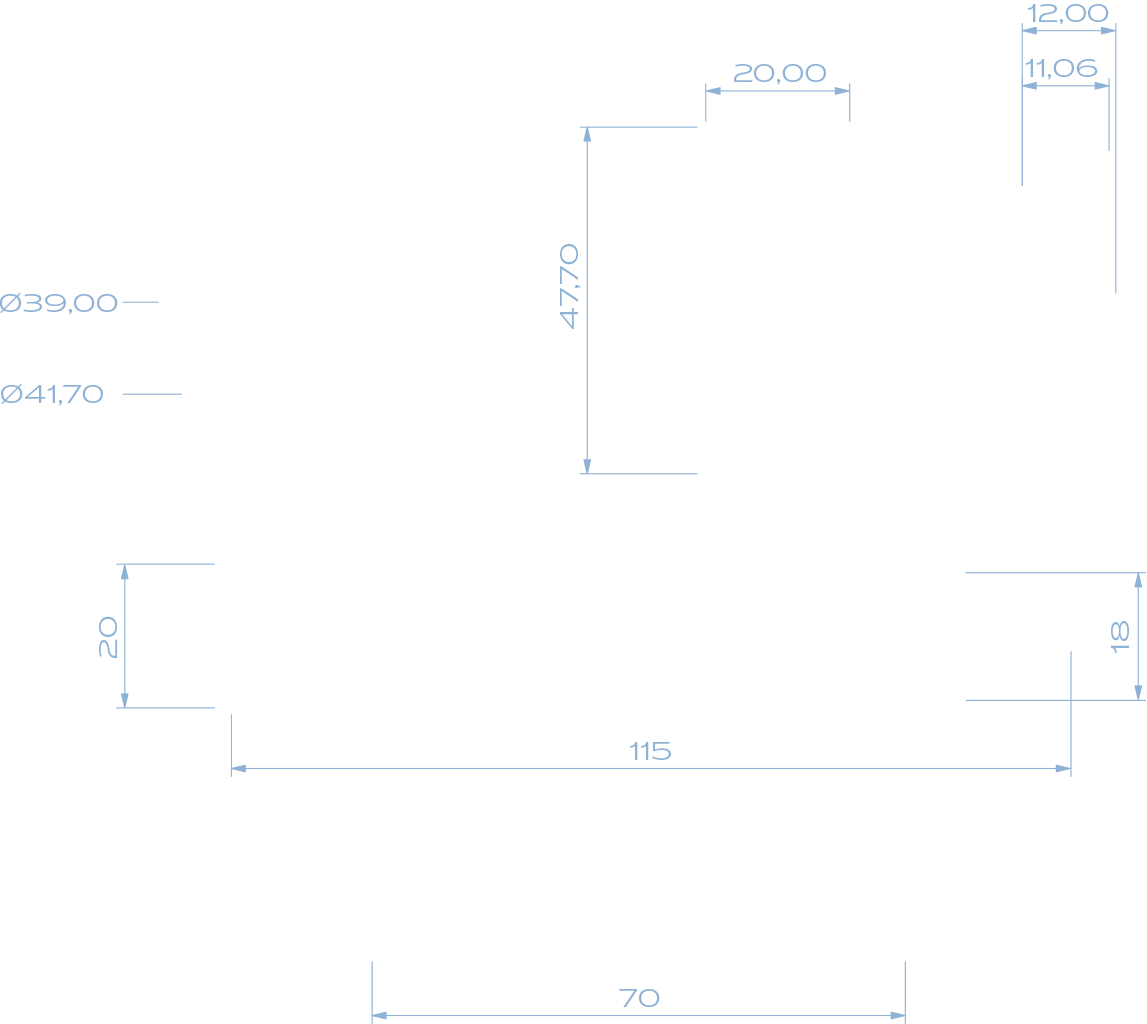
Case diameter: 39 mm
Lug to lug: 47,7 mm
Lug width: 20 mm
Case thickness: 12 mm (with sapphire); 11,1 mm (without sapphire)
60 unites scale
Bezel diameter: 41,7 mm
Pusher in red anodized aluminum
White painted chronograph second and minute hands filled with Super-LumiNova®
Taupe leather strap with Albishorn buckle
Movement
The Watch
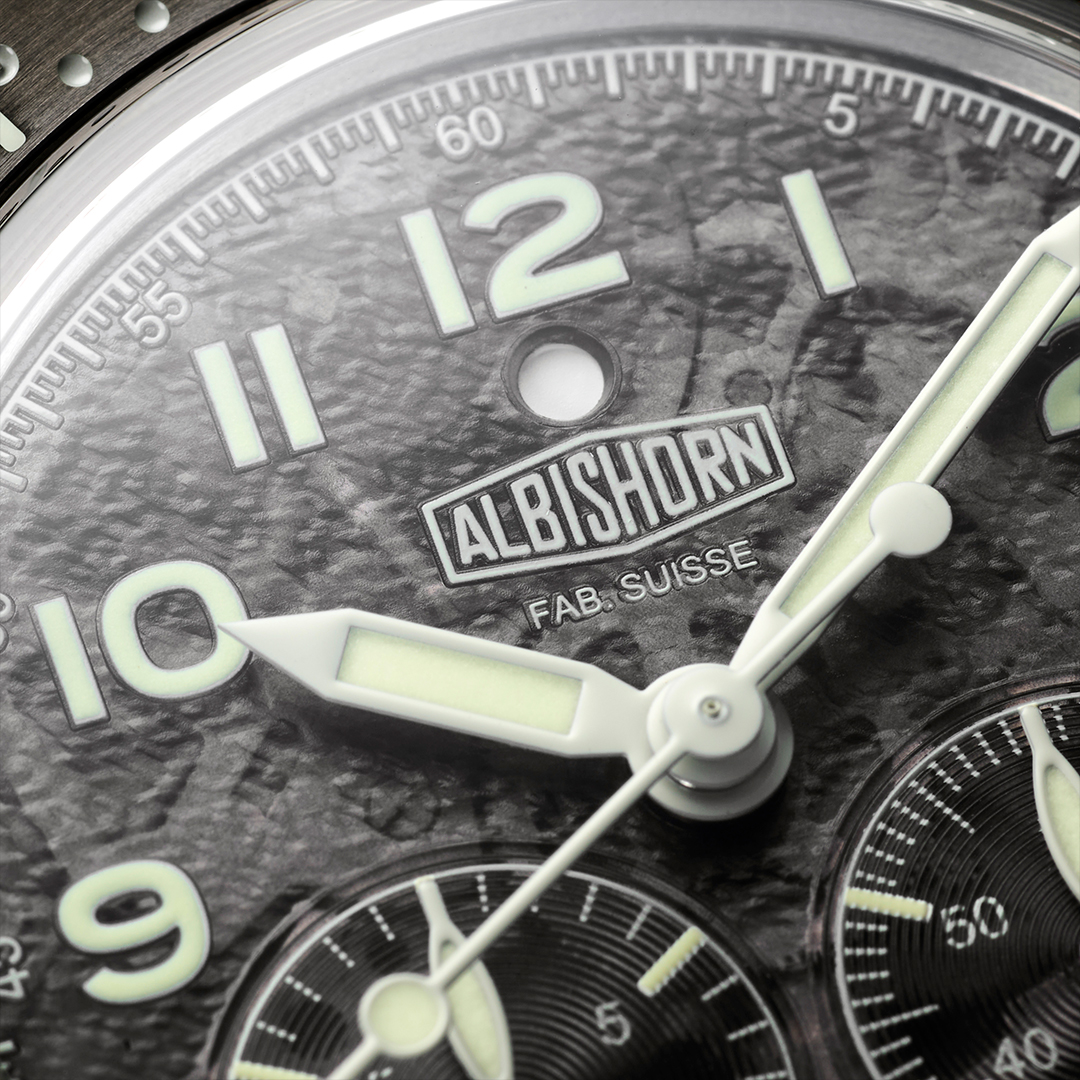
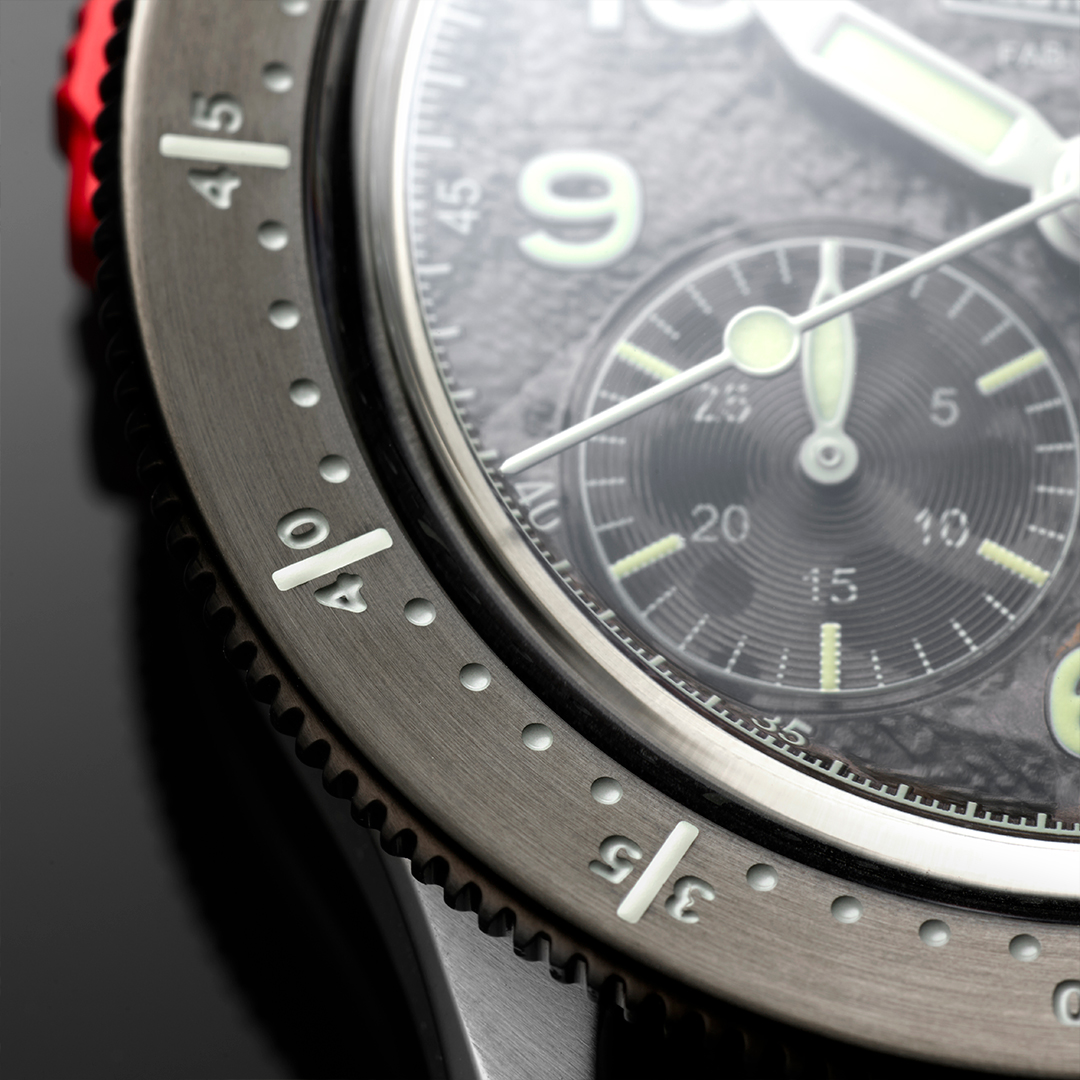
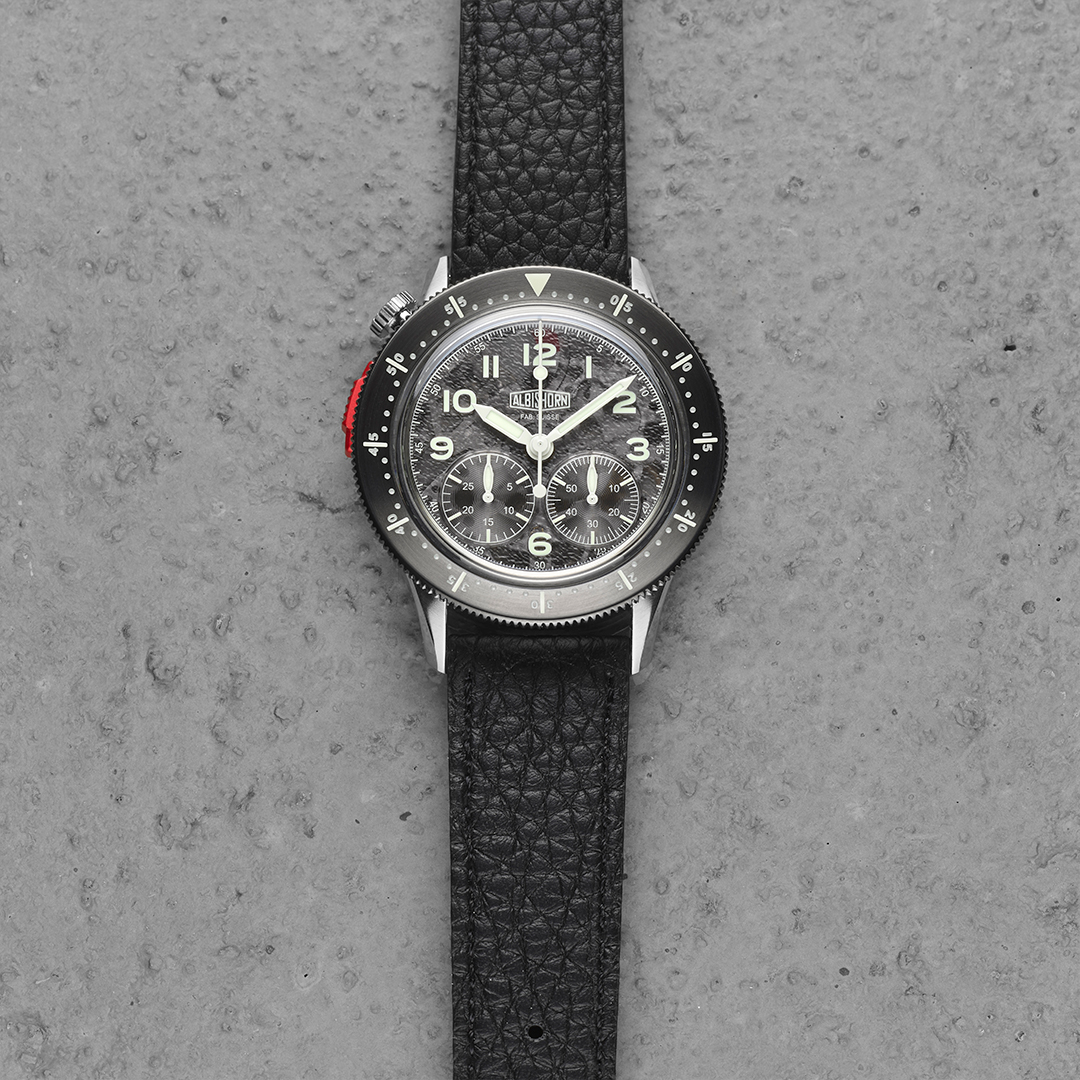
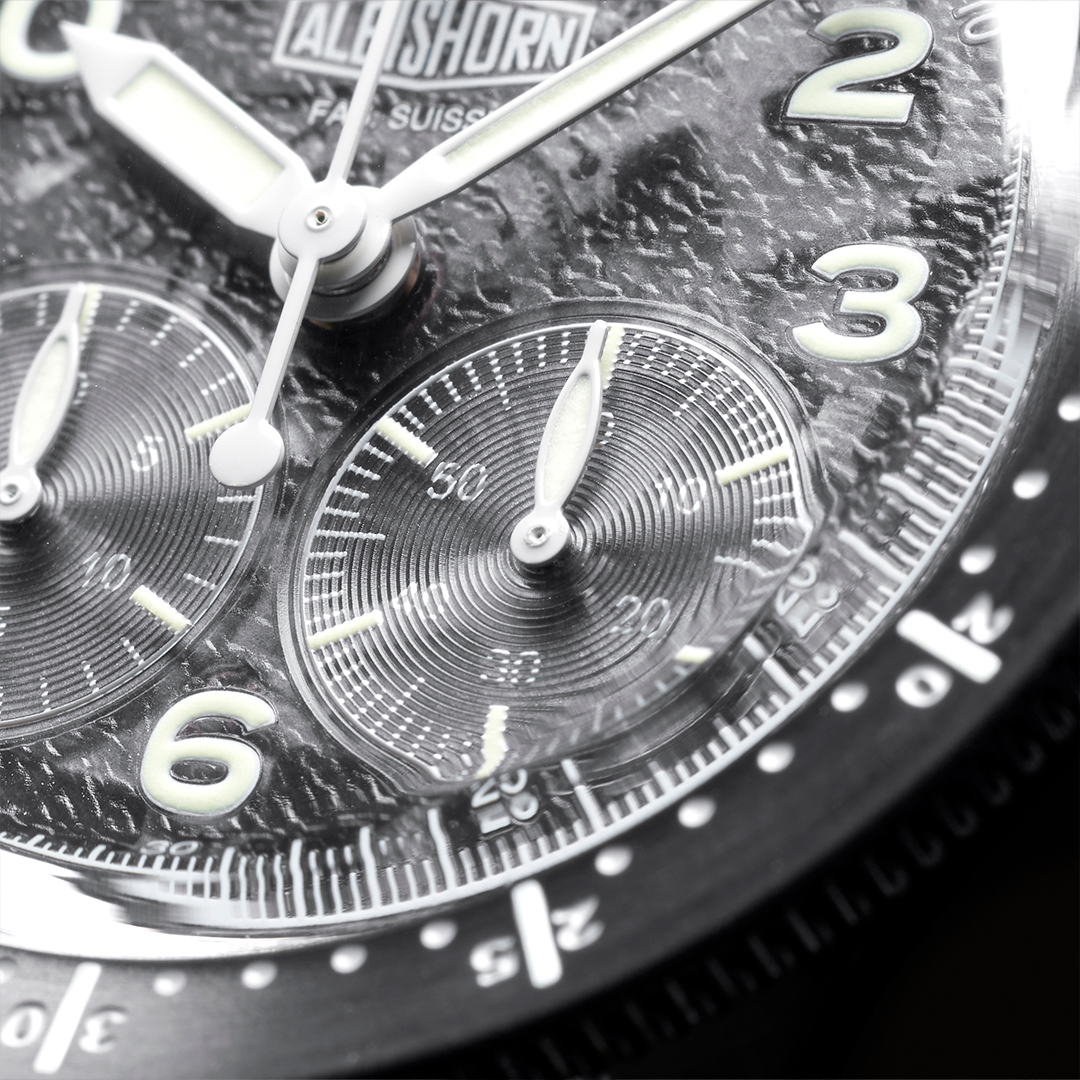
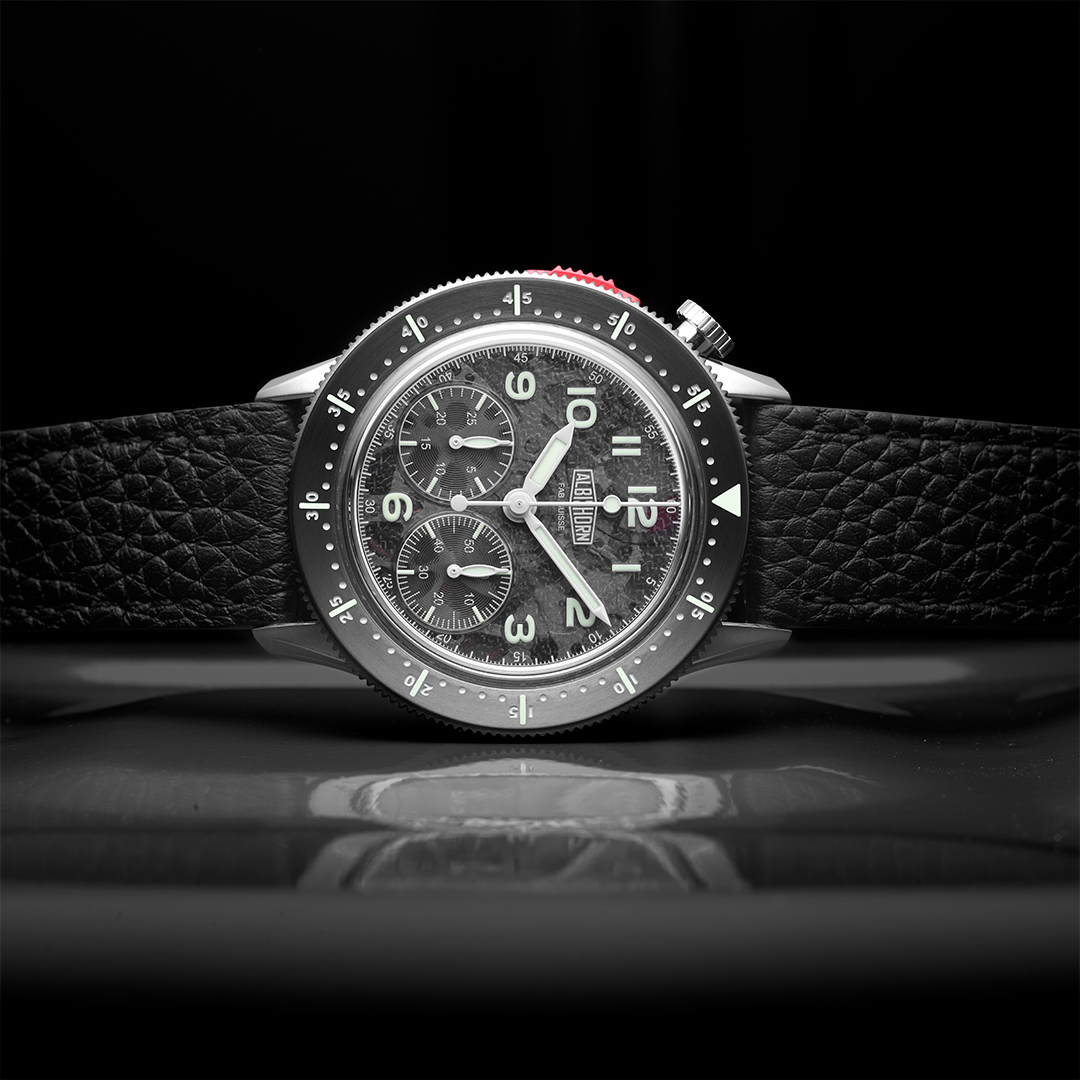
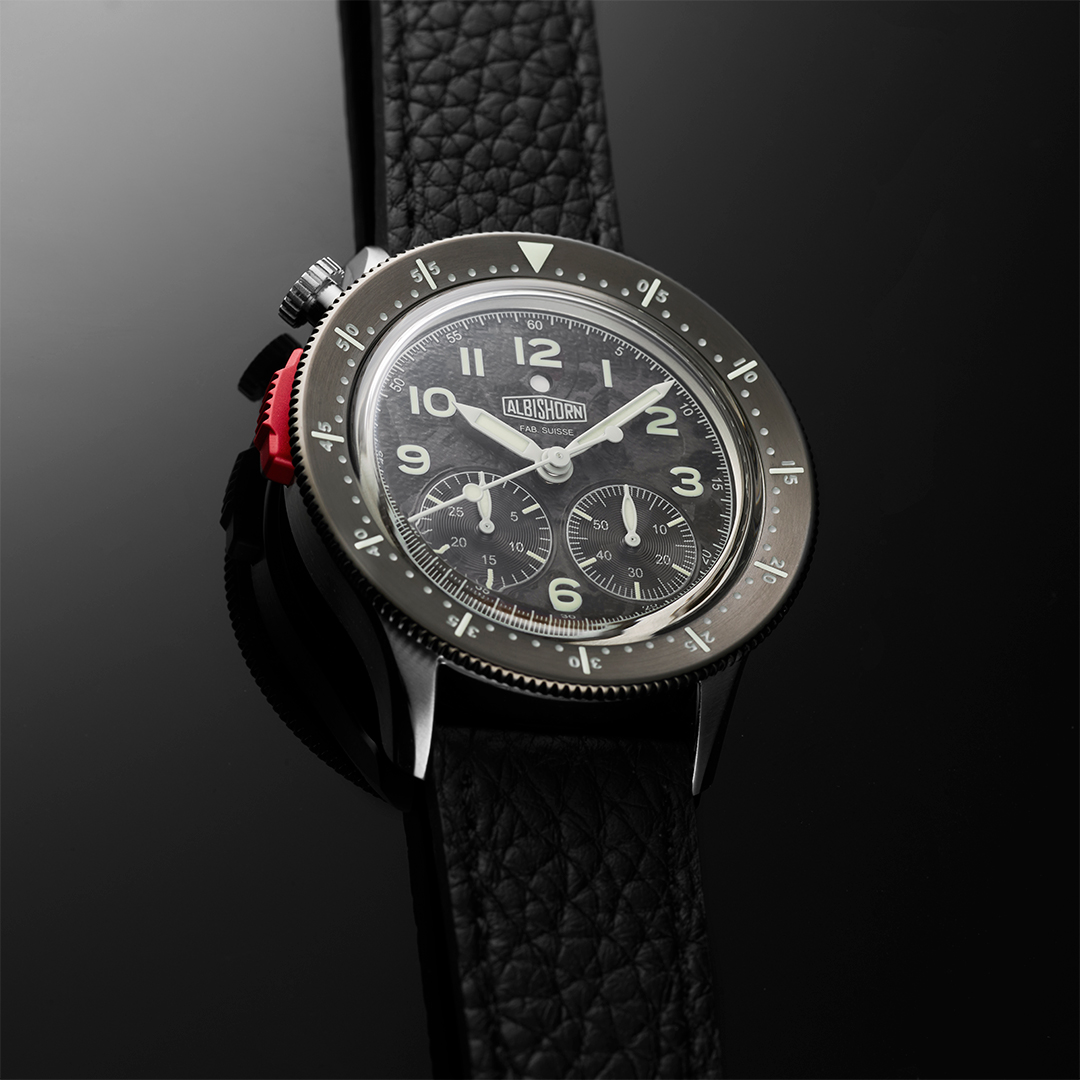
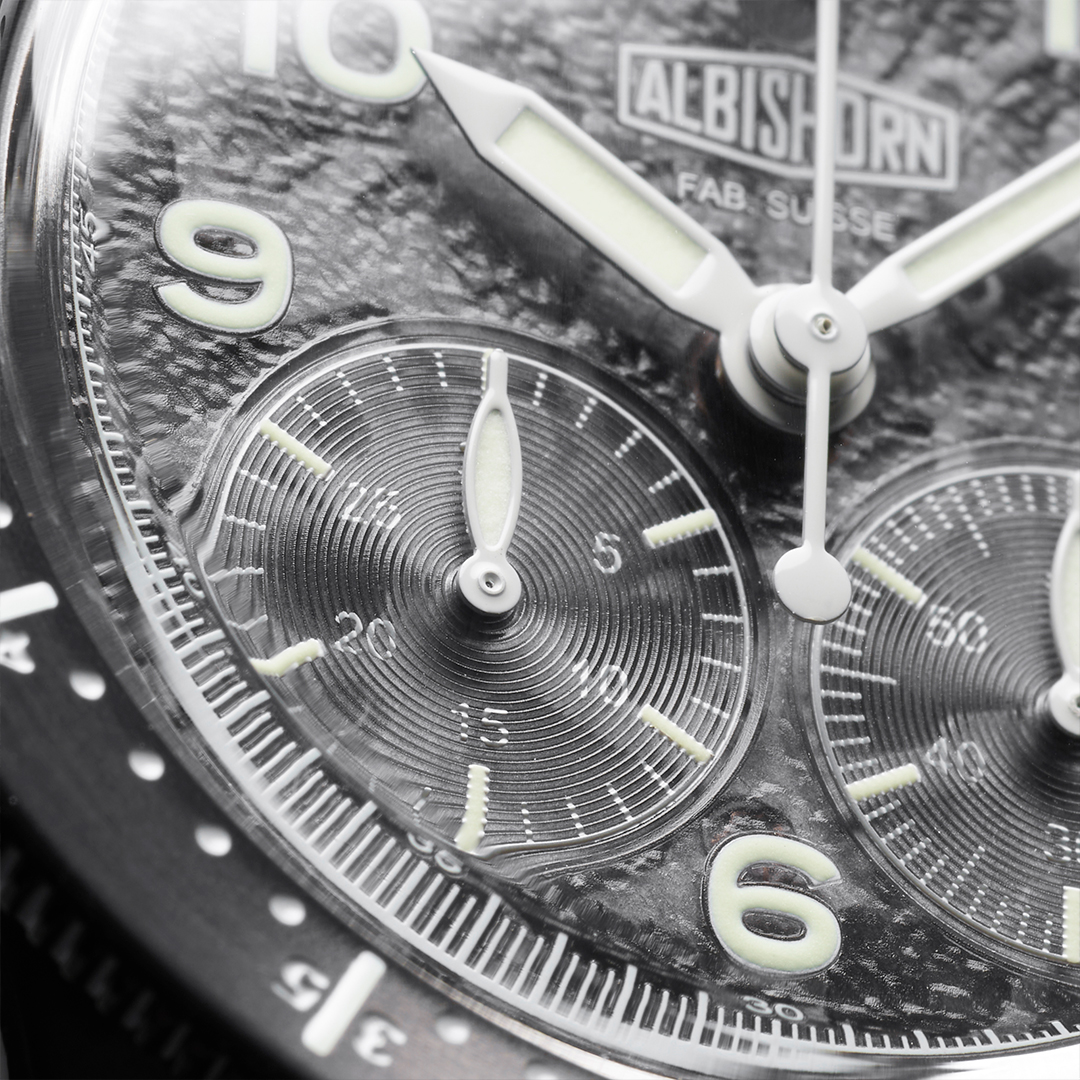
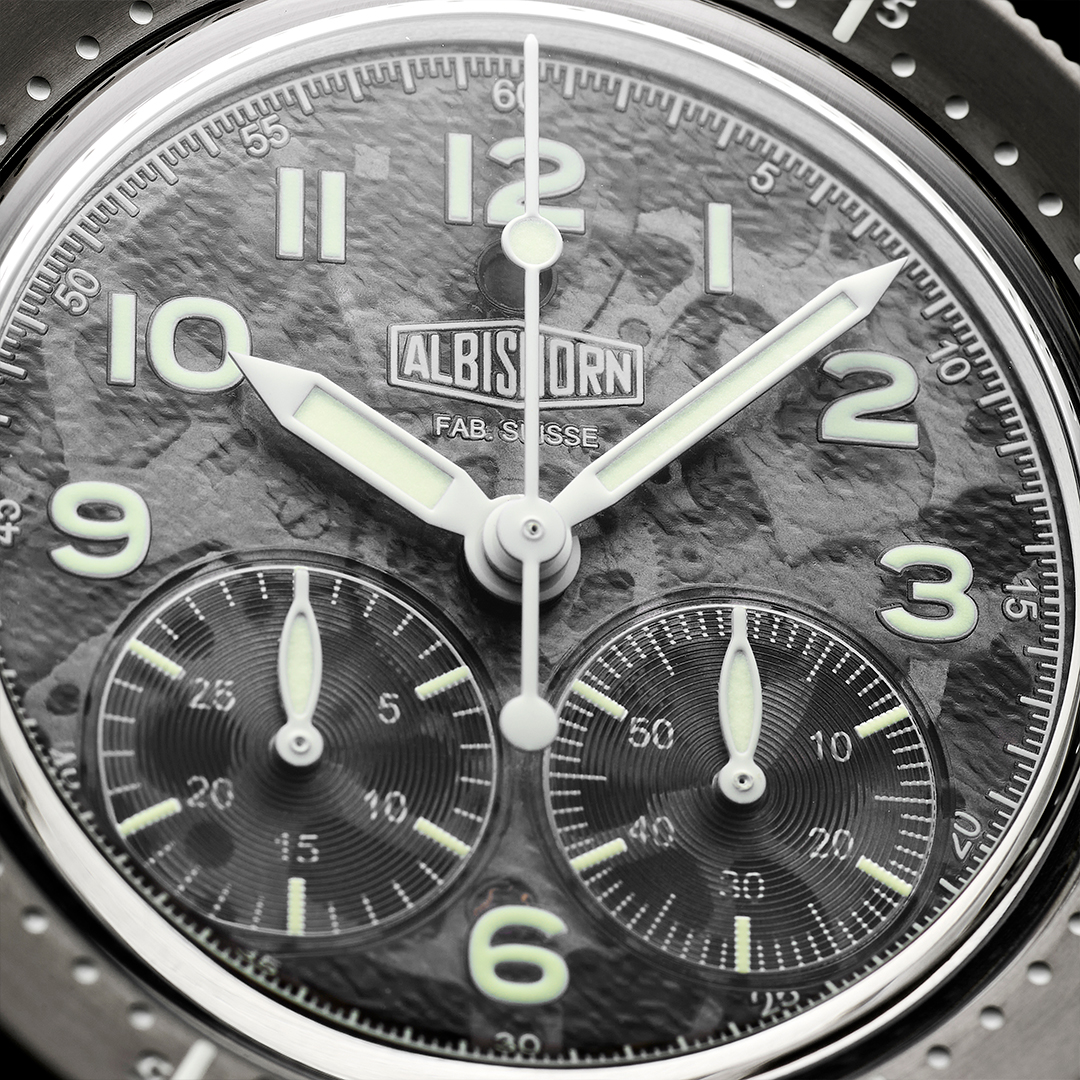
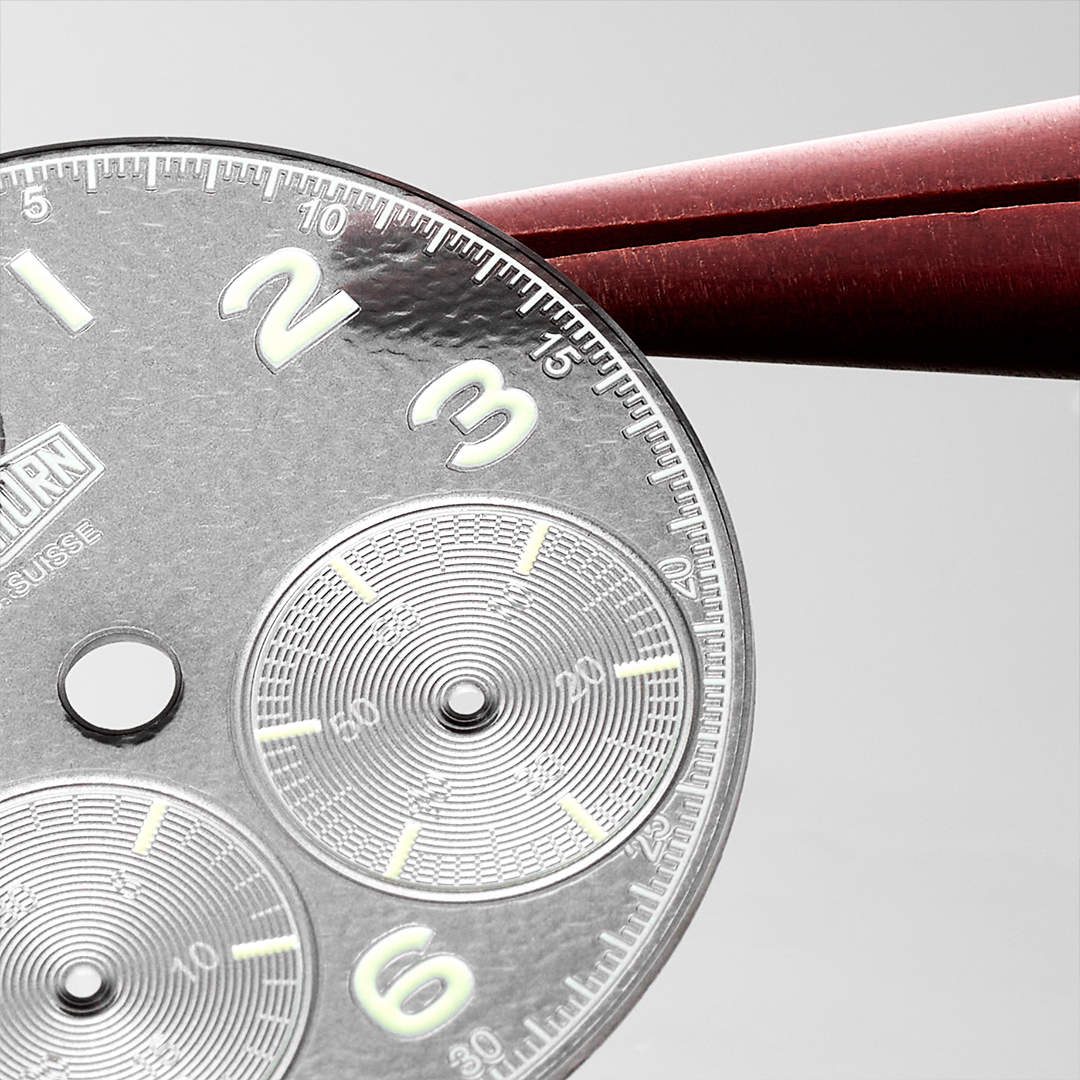
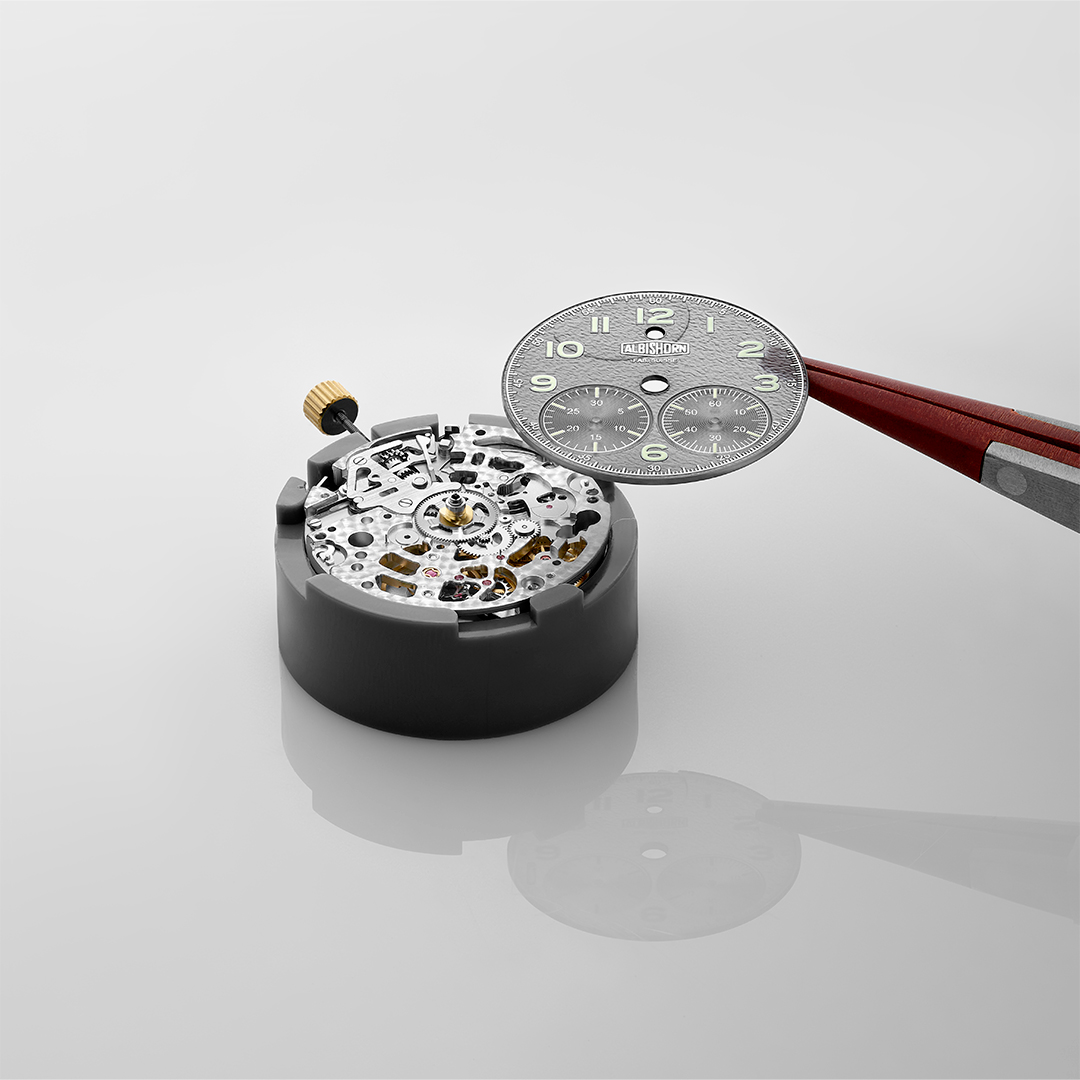
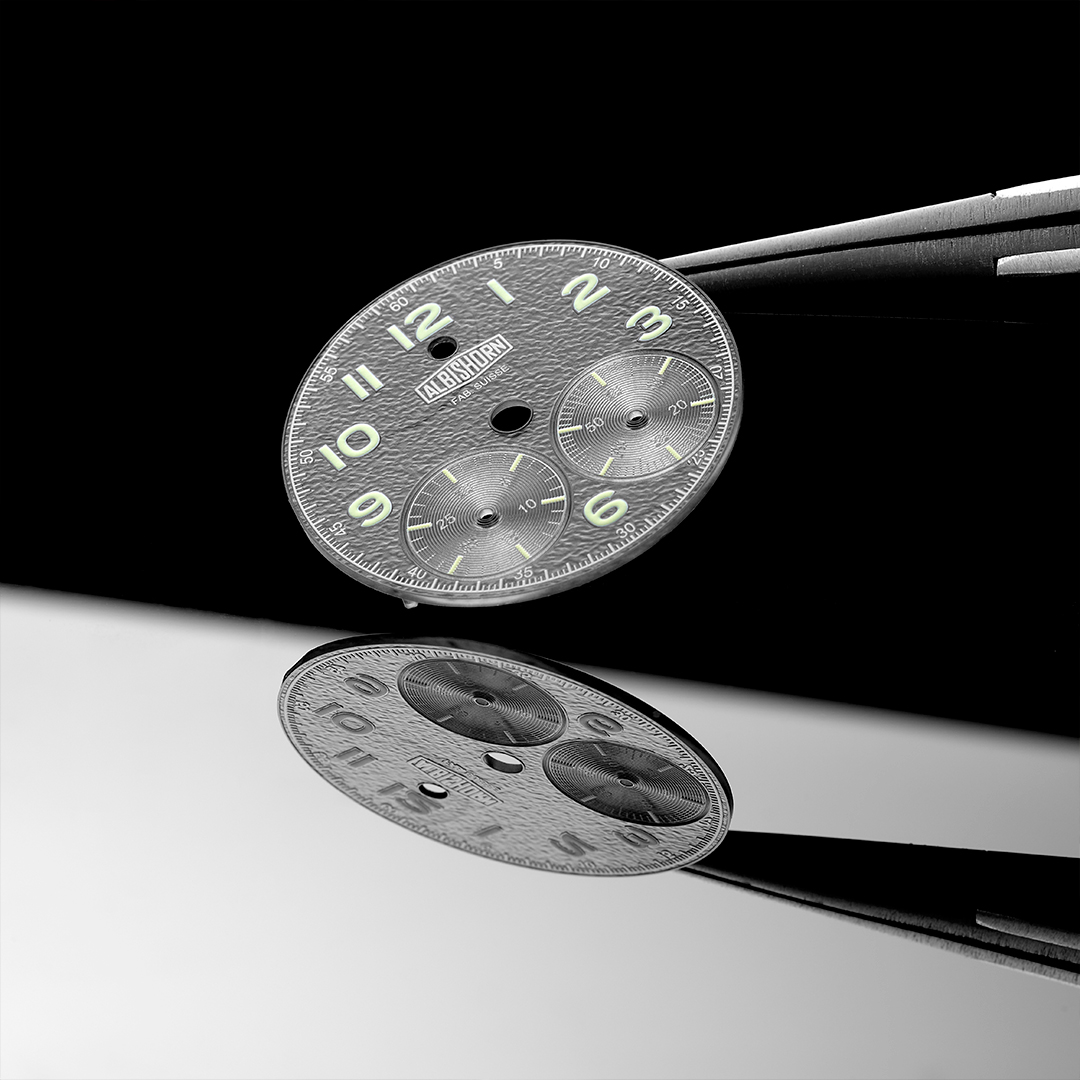
Like all instrument chronographs, the dial of the X-Graph was developed with a constant focus on legibility and functionality. Its striking translucent fumé dial provides a dramatic backdrop for the contrasting luminous numerals, maintaining excellent readability despite its transparent construction.
What makes this dial particularly distinctive, and probably a world first, is the way it faithfully recreates the appearance of a traditional metal dial entirely in polycarbonate. The fumé treatment preserves clarity while subtly revealing the skeletonized movement beneath. Depending on the light and viewing angle, the dial transitions from deep black to dark anthracite and lighter shades of grey, offering constantly changing levels of transparency and reflection. In certain conditions, the movement’s architecture almost blends into the dial itself, creating a camouflage-like effect that continuously transforms the visual depth and character of the X-Graph.
To further ensure excellent legibility and unlike any other mechanical chronograph wristwatch (including the Type 20), the Type X-Graph boasts two sub-dials positioned at 4:30 and 7:30, showcasing the running seconds and the elapsed minutes respectively. The inclusion of two counters at the bottom of the dial contributes to a clear and well-organized “dashboard type” design. In addition, it features a unique and patented chronograph function indicator at 12 o’clock.
The hands are filled with luminous material (Super-LumiNova®) as well, allowing for easy reading in low-light conditions, critical for night flights.
Case
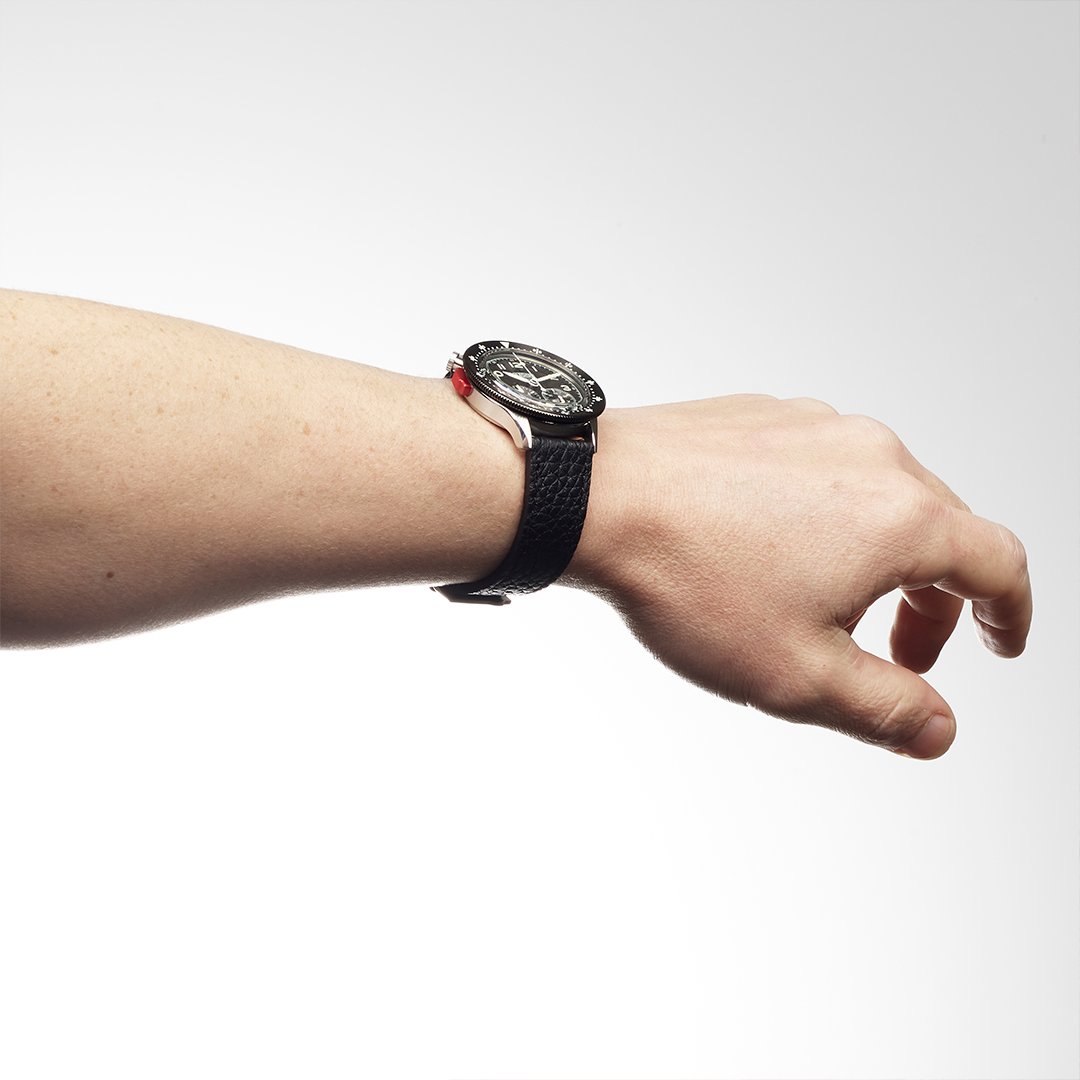
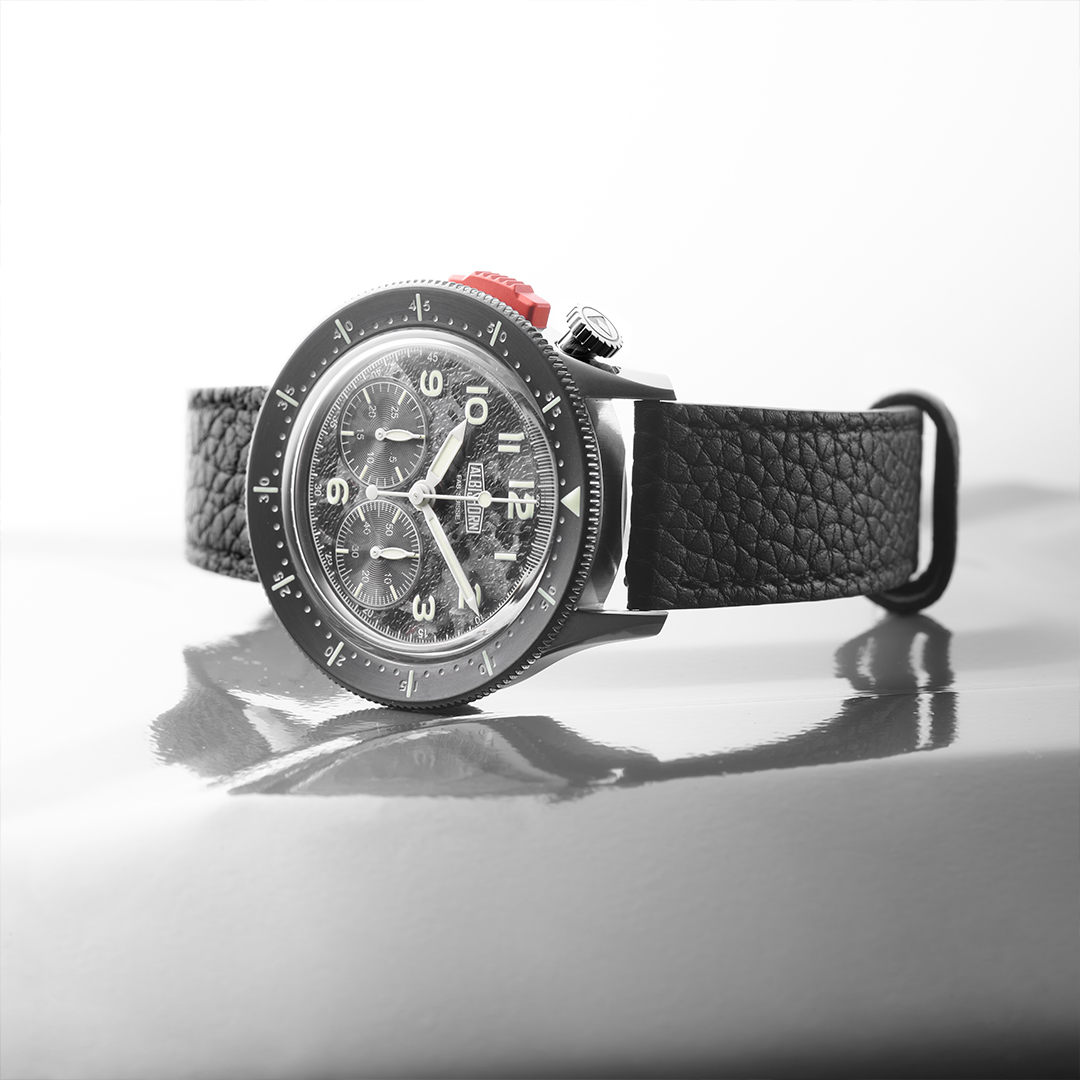
With a sleek stainless steel case of only 12 mm height (sapphire box crystal included!), the Type X-Graph reflects a seamless blend of robustness and elegance. The alternance of brushed and polished surfaces provide a subtle contrast, accentuating the watch's overall presence. All edges of the case have been chamfered and polished, offering a sophisticated haute horlogerie aesthetic.
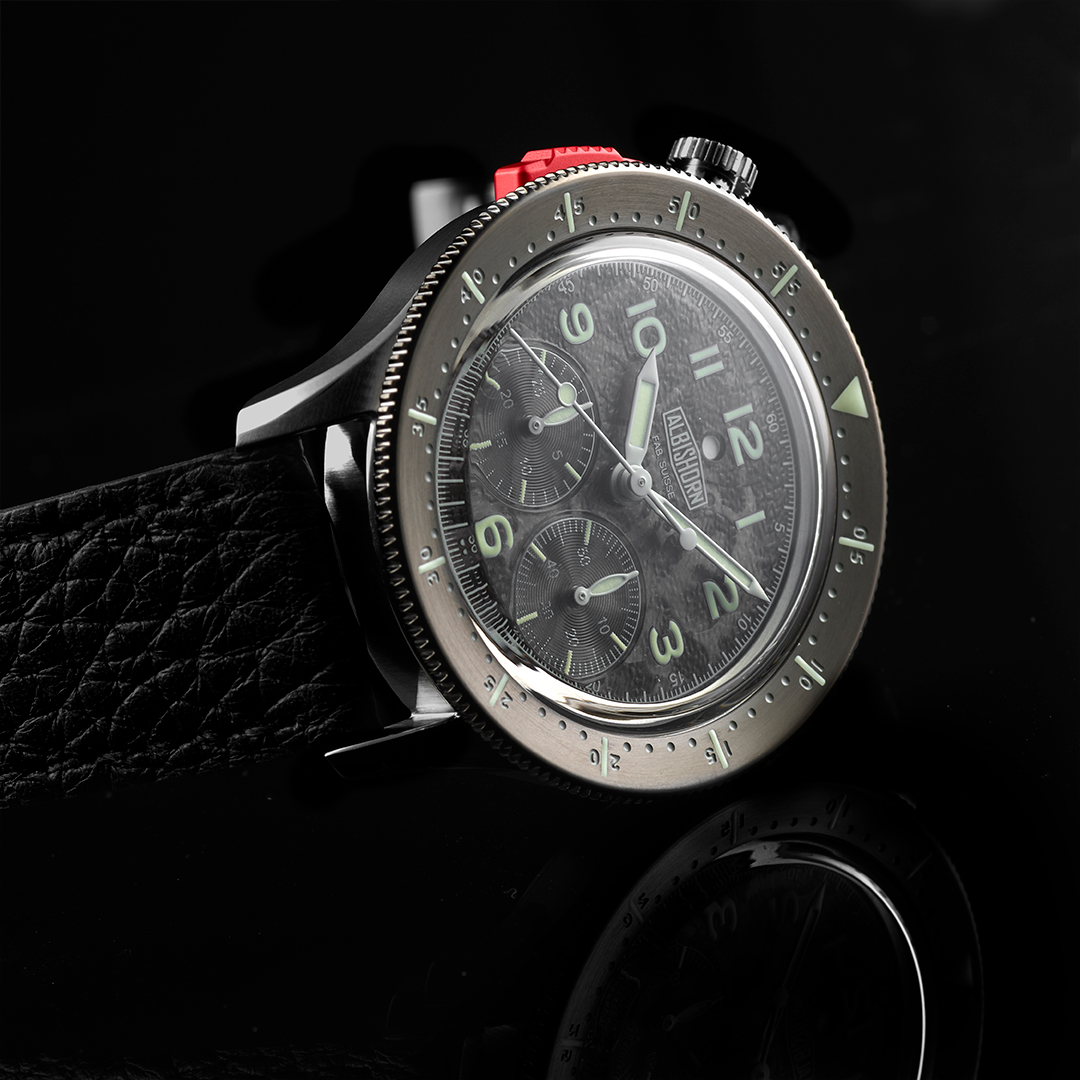
One of the standout features of the Type X-Graph is its circular brushed gunmetal turning bezel. Made from PVD-coated steel, the bezel was designed to rotate in a bidirectional manner. The black color not only adds a bold and distinctive touch to the watch's appearance but also offered a high contrast against the case, enhancing legibility.
The rotating bezel features engraved graduations alternately filled with lacquer and luminous material, enabling aviators to perform various calculations related to flight planning and navigation. The conical shape of the bezel adds a dynamic element to the watch's design, further enhancing its aesthetic appeal.
Positioned at 10:30 on the case, the crown allows for easy winding and time-setting while keeping it clear of any obstructions during crucial maneuvers. The crown is specifically crafted from steel.
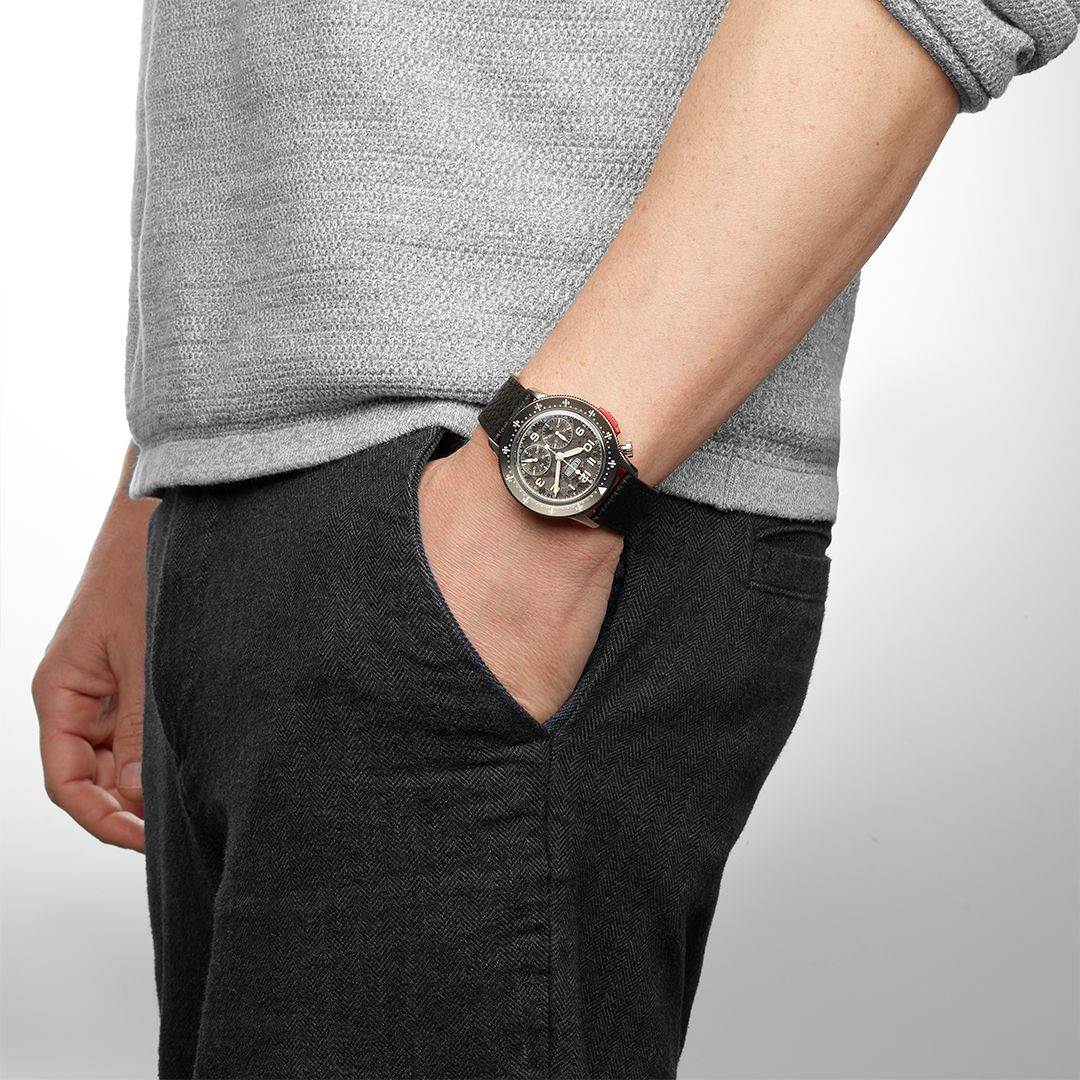
Adjacent to the crown, at 9:30 on the case side, is a red aluminum pusher, discreetly integrated into the case design. The location at 9:30 allows the pusher to be activated by the thumb, which is considered the best finger for operating a chronograph. The overall design and the large size of the pusher simplify the operation and add a touch of uniqueness to the watch. This innovation is a testament to the Type X-Graph's commitment to practicality and usability, as its simplicity in operation perfectly aligns with the Type X-Graph's intended purpose as a reliable tool for professional pilots. The concept of a single pusher chronograph is also reminiscent of early chronographs that featured a single button for starting, stopping, and resetting the chronograph function. This single pusher controls all the chronograph functions —start, stop and reset—allowing pilots to measure elapsed time with precision.